> no two cars seeming to have the same configuration
Have you noticed the rear brakes lights on cars? Absolutely every model of car has a different shape: triangle, concentric circles, polka dot pattern, you name it.
I doubt that anyone is the least bit influenced in their car choice by how cool the brake lights look.
I'd like to think that the car companies avoid making a standardized brake light to put a thorn in the side of after-market parts manufacturers. At least that evil explanation makes economic sense.
In reality, I think that car designers do what they like doing -- making new designs. Even in cases where it makes zero difference to the user. Even in cases where a standardized design would be better for everyone[1].
[1] Because of cost, availability (every garage would stock a standard brake light), detection of the standard rear light pattern by collision avoidance systems.
I doubt that anyone is the least bit influenced in their car choice by how cool the brake lights look.
Of course they are, it's part of the car's styling and car manufacturers spend a lot of money on car design. The shape of the tail lights helps dictate the shape of the car's body.
If you think taillights have no effect on styling, imagine a 1960's Mustang tail light on a modern Tesla:
> I doubt that anyone is the least bit influenced in their car choice by how cool the brake lights look.
Doesn't seem so farfetched to me. For instance, I particularly like the taillights on the latest Honda Civic. A lot of recent BMWs have nice-looking taillights too. And I can recall, as a kid, thinking the taillights on my mom's 1962 Ford Thunderbird were particularly cool, styled as they were to suggest jet engines (at least, that's what they looked like to me at age 7). Oh, and then there were the sequential turn signals on our 1967 Mercury Cougar...
Anyway, taillights are certainly not the only important stylistic element on the car, but I wouldn't dismiss them completely either.
Like or hate the Cadillac Escalade, you have to admit the thin vertical taillights from the bumper almost to the roof certainly evoke their cars from the "tailfin" era, like the 1969 Eldorado.
There are literally huge debates about minor things like this in car magazine reviews, followed by tens of thousands of comments on various automotive forums debating the finer aesthetics of different head or tail light designs. It can get downright vitriolic: one person's beautiful is another's fugly.
I found the tail lights to be the first thing anyone spoke of when talking about the car - in person most people said they loved them, online many people hated them except for the base of customers that loved the car. And no amount of performance data would convince them to drive the car - the tail lights were THE deal breaker.
I've had similar debates over he colour of mud flaps I had on my old Mitsubishi Lancer Evolution (they were red, on a metallic orange car). Again, people online in enthusiast forums felt I was mentally ill and they would never drive such a monstrosity, it was just a personal preference for me. The colour for them was the deal breaker. http://www.zercustoms.com/news/images/Mitsubishi/Lancer-Evol...
Just like some won't drive a green car even if it has amazing stats.
The moral is: Most people don't think like engineers, for better or worse.
As explained to me by someone who runs a (large, high-end) panel-shop:
In reality its because "Razor Blade Model". Since you can only get the correct lens/housing from the manufacturer, they can charge what they like. Since your insurance is paying, neither you nor the panel-shop give a fuck about the cost. Extremely high margins for the manufacturers. Same goes for bumpers.
When Porsche made an 'affordable' Boxster with the same headlights as a top-of-the-line 911 the snobs that wanted their 911s to be exclusive were upset.
I think people were more likely (or should have been, IMO) upset about the ugliness of the 996-[1] "fried egg" headlights, not that they were the same as the headlights on the first-gen Boxster.
[1] - 996 was the internal model designation for that generation of 911, which was being designed at the same time as the original 986 series Boxster.
Take another look at the back of RVs and motorhomes. Those companies will frequently reuse an existing rear light package with just a change in orientation.


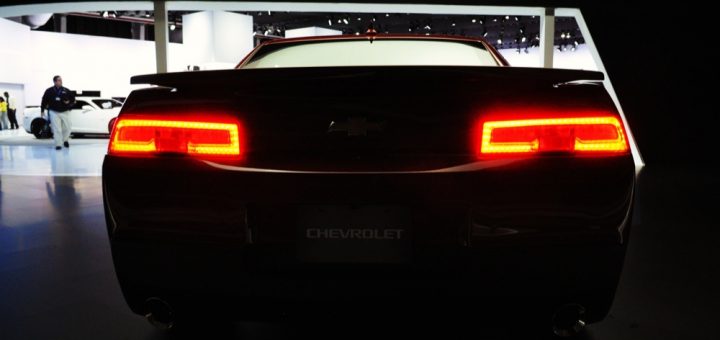
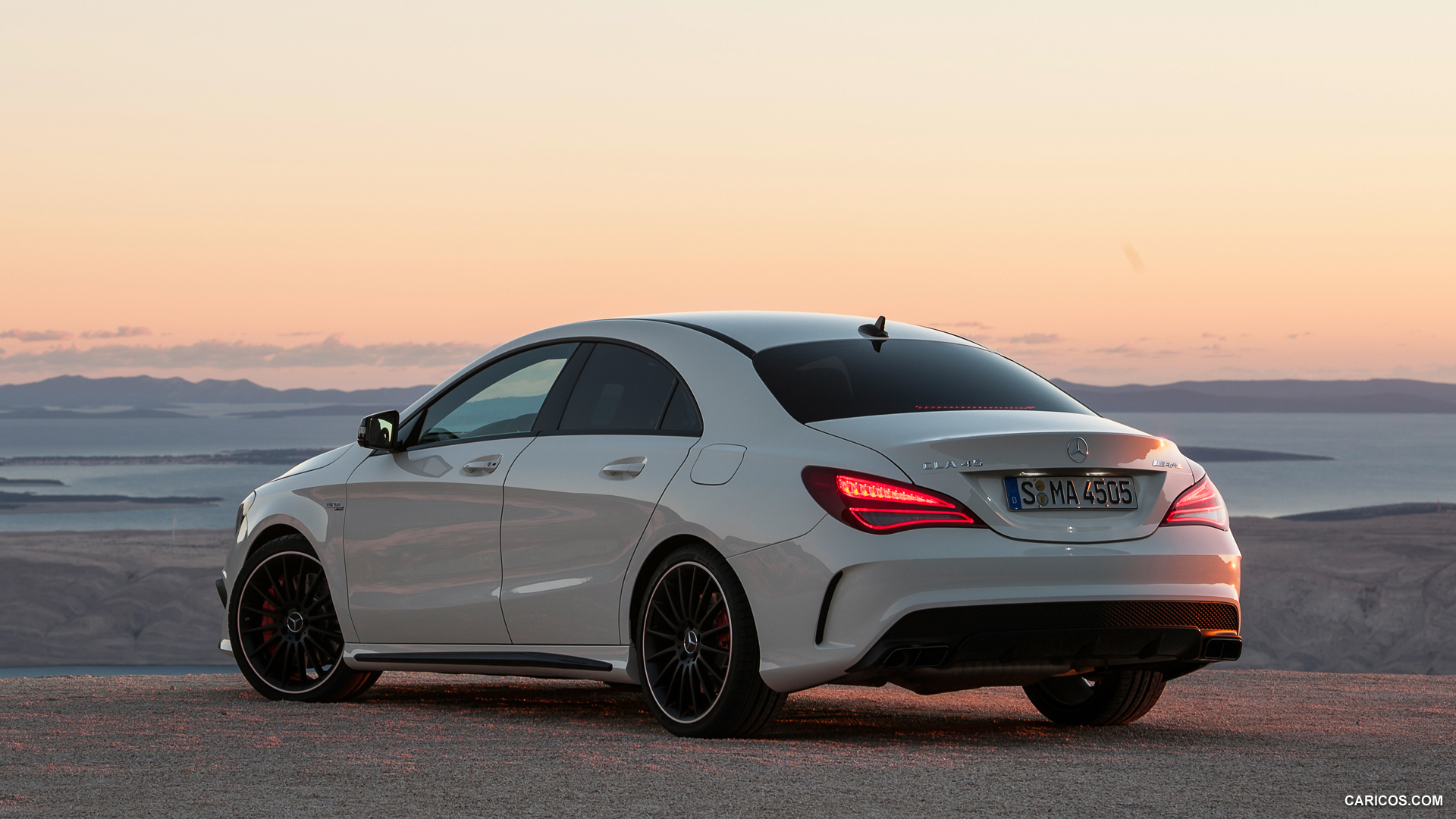

Have you noticed the rear brakes lights on cars? Absolutely every model of car has a different shape: triangle, concentric circles, polka dot pattern, you name it.
I doubt that anyone is the least bit influenced in their car choice by how cool the brake lights look.
I'd like to think that the car companies avoid making a standardized brake light to put a thorn in the side of after-market parts manufacturers. At least that evil explanation makes economic sense.
In reality, I think that car designers do what they like doing -- making new designs. Even in cases where it makes zero difference to the user. Even in cases where a standardized design would be better for everyone[1].
[1] Because of cost, availability (every garage would stock a standard brake light), detection of the standard rear light pattern by collision avoidance systems.