At one point it says “fully pronated like we can, or bunnies can”, which sounds like a reference to actual rabbits, but some quick Googling suggests that rabbits don’t pronate? (I know nothing about the subject myself.)
I don't really understand what "pronating" is supposed to mean if you're not referring to human hands. This isn't a problem for the phrase "bunny hands", which refers to human hands.
But for, say, human feet, "pronation" would appear to refer to a position in which the soles of the feet face toward the ground, just as in hands it refers to a position in which the palms face toward the ground, or in humans overall it refers to a position in which the face and belly face toward the ground. That is the meaning of "prone" ("lying on your front"; it is the opposite of supine, "lying on your back"), and "pronation" just means "making something be prone".
But obviously all feet are always pronated in this sense. The article seems to have a model of the word which is more like "pronation [in the hands] involves a certain configuration of the bones in the arm, and I'm going to call that configuration pronation too". But then they also refer to rotating the forearm, which confuses bone configuration with yet another issue, the changeability of the configuration.†
So I'm left mystified as to how this single-or-possibly-manifold concept is supposed to apply to feet, human or otherwise. The article suggests that pronat_ed_ feet have the toes facing forward, parallel to the direction of the gaze, and also that pronat_ing_ feet requires the ability to rotate the lower part of the leg.
In humans, these claims cannot both be true. Toes are angled forward, but the lower leg doesn't rotate. Something else has happened.
So it's hard to say what I should conclude about the mammoth legs that the article also complains about.
† The article complains about a dinosaur skeleton in which the hands aren't pronated - they face inwards, in a pose we might call "karate chop hands". But it says that this pose requires "pronation" in what is presumably the arm-bones sense. In "bunny hands", the hands are pronated according to the normal definition of the word, facing the ground.
Looks like you need to be careful with the definition of pronation and supination for feet. There's a lot of results for running where they use the term dynamically, and it looks to be different from the original technical meaning.
For feet, the word pronating seems to also mean (perhaps colloquially) rolling the foot inwards at the ankle. Not clear at all: although some of the images show twisting the shin or not (toe in vs duck feet).
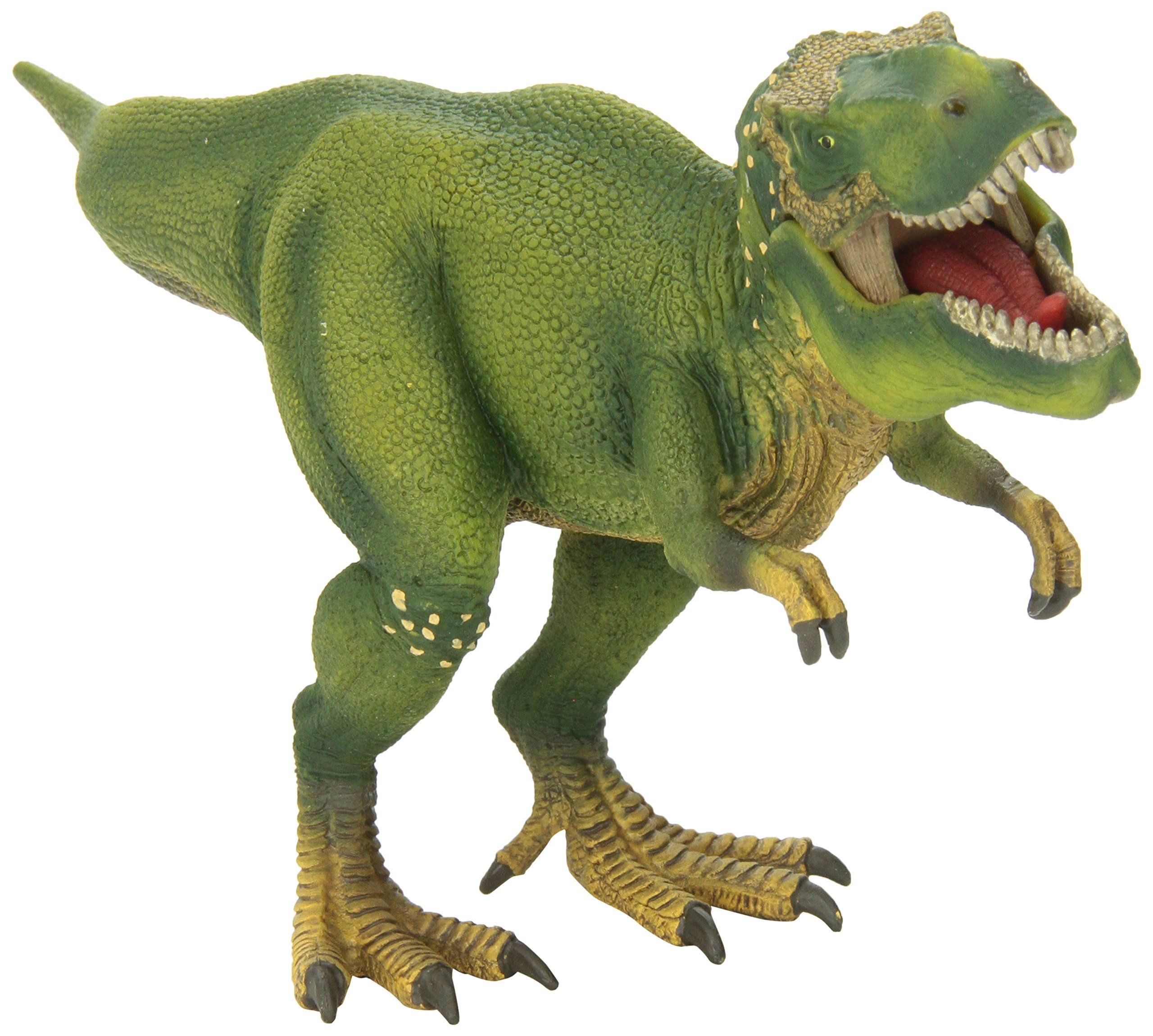
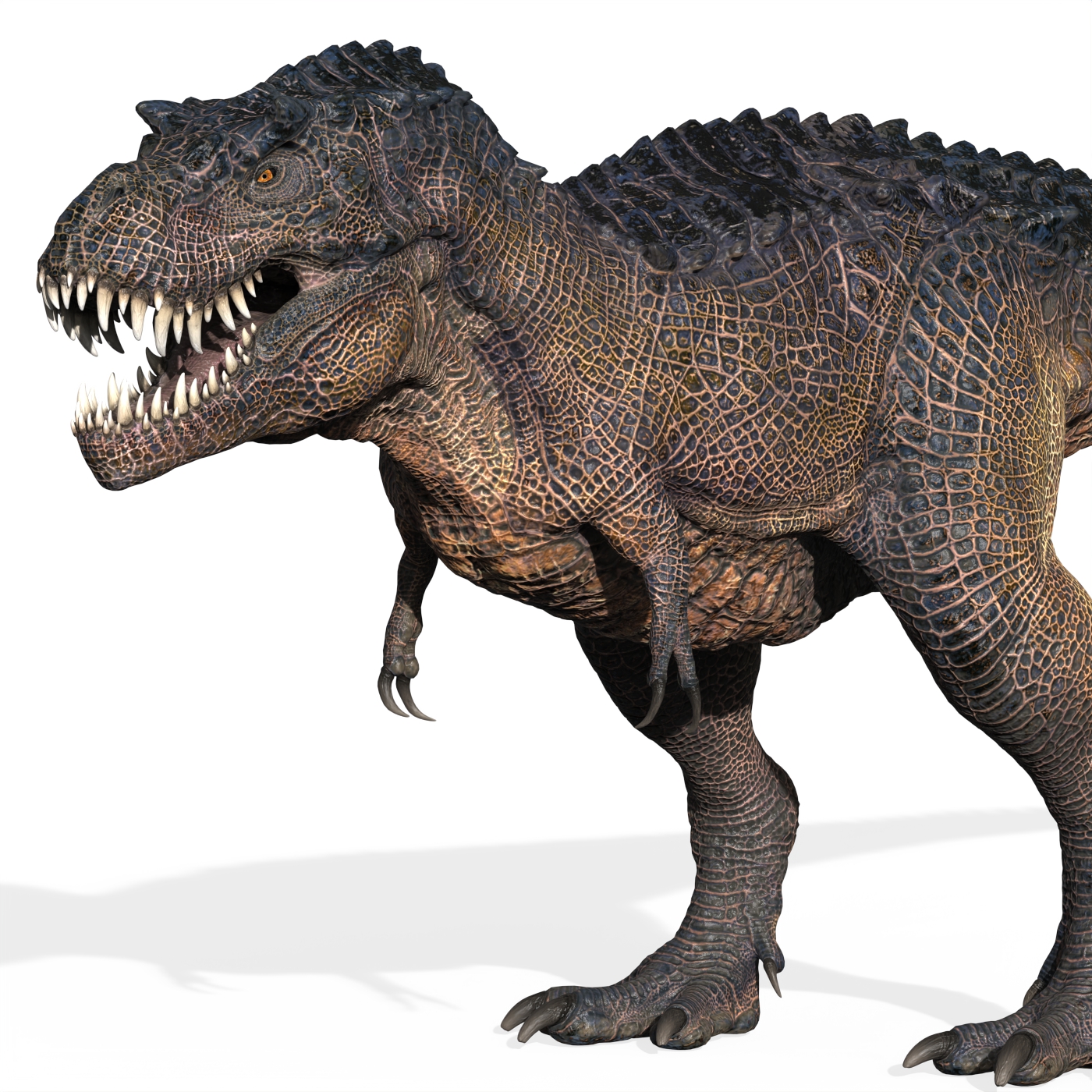
So if I understand right, this image of a T-Rex [1] would be wrong, because its palms are facing downward, while this image of a T-Rex [2] would be right because its palms are in a "clapping" posture?
But I'm still a little confused. Most quadrupeds have their front toes facing forward, right? If the first T-Rex did a belly-flop and caught itself on its palms, they'd be facing forward like a dog's. If the second T-Rex did a belly flop, its toes would be facing outward, like Charlie Chaplin's feet.
I agree with the article (well, the sauropod tracks in the article) that the natural resting position of your arm as you extend it forward has your palms mostly downward and a little inward. Fully downward is much, much more natural than fully inward.
> I had a friend whose son was placed in French immersion (a language he doesn't speak at all).
In my entire french immersion Kindergarden class, there was a total of one child who already spoke French. I don't think the fact that he didn't speak the language is the concern.
"Aristotle integrates three main components: a Lean proof search system, an informal reasoning system that generates and formalizes lemmas, and a dedicated geometry solver"
It is far more than an LLM, and math != "language".